

Business Email Hosting vs G-Suite / Microsoft 365

Business email hosting decisions influence operational agility, cost predictability, and compliance alignment for organizations across Singapore and the broader Asia-Pacific region. The choice between self-managed email infrastructure hosted in regional data centers and globally distributed SaaS platforms like Google Workspace or Microsoft 365 determines how email systems integrate with existing IT workflows, where data resides […]
Shared Hosting vs Dedicated Hosting for Email
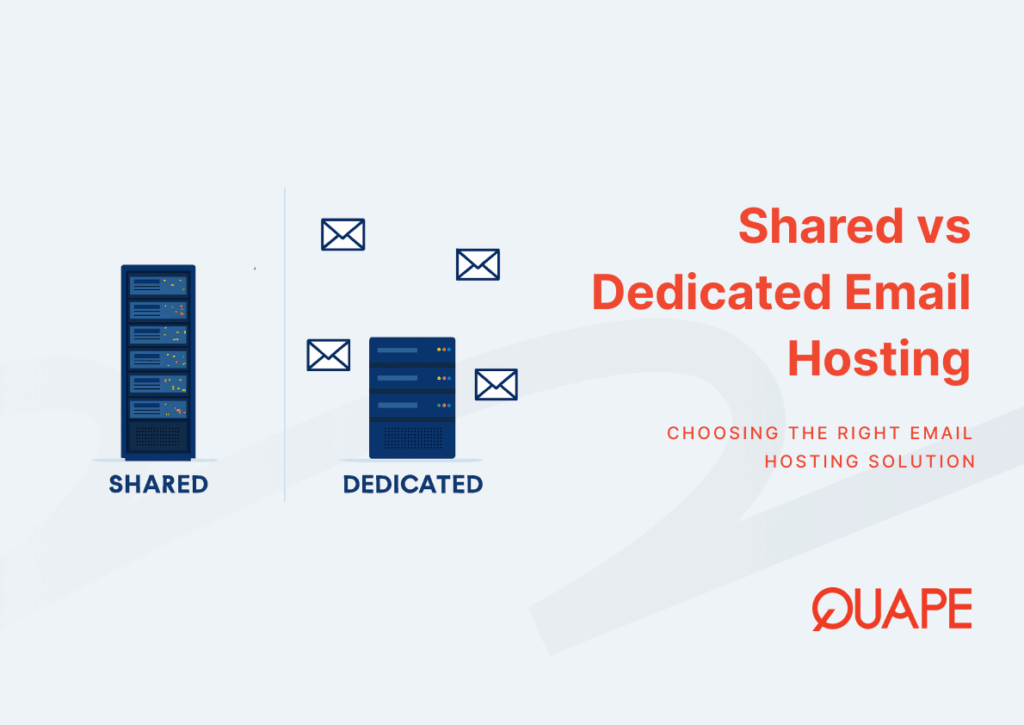
Email infrastructure choices directly affect deliverability, performance consistency, and operational risk for Singapore-based businesses. Organizations evaluating shared versus dedicated email hosting must consider how resource allocation models influence sender reputation, message throughput, and security isolation. Shared email hosting distributes server resources across multiple tenants, creating cost efficiency but introducing variability in performance and IP reputation […]
SMTP vs POP3 vs IMAP: Which Protocol Fits Your Business Workflow

Choosing the right email protocol influences how your team accesses messages, manages mailboxes, and maintains productivity across devices. SMTP handles outbound delivery from your mail client to servers, while POP3 and IMAP manage how incoming messages reach your inbox and whether they remain synchronized across multiple endpoints. For IT managers and CTOs evaluating business email […]
Understanding How Business Email Hosting Works

Email remains one of the most critical communication infrastructures for businesses worldwide, with approximately 4.5 billion people expected to use email by 2025. Despite the rise of collaboration platforms and messaging apps, the architectural foundation of business email hosting continues to evolve, balancing decades-old protocols with modern security requirements. For IT managers, CTOs, and business […]
Business Email Hosting Services in Singapore: Architecture, Reliability, Security, and Operational Considerations

Business email hosting services in Singapore operate within one of Asia-Pacific’s most sophisticated digital infrastructure ecosystems, where regulatory frameworks, network architecture, and data center standards converge to shape enterprise communication reliability. For IT managers and procurement leads evaluating email hosting solutions, understanding how infrastructure design, authentication protocols, and compliance requirements interact determines whether an email […]
How Singapore Businesses Manage Domain Portfolios Across APAC

Singapore companies expanding across Asia-Pacific face a complex challenge: managing domain portfolios that span multiple countries, each with distinct registration policies, technical requirements, and trust signals. As regional digital commerce intensifies, organizations must balance global brand consistency with local market relevance. This involves strategic decisions about which top-level domains to acquire, how to structure ownership […]
Comparing .SG vs .COM for Singapore Businesses
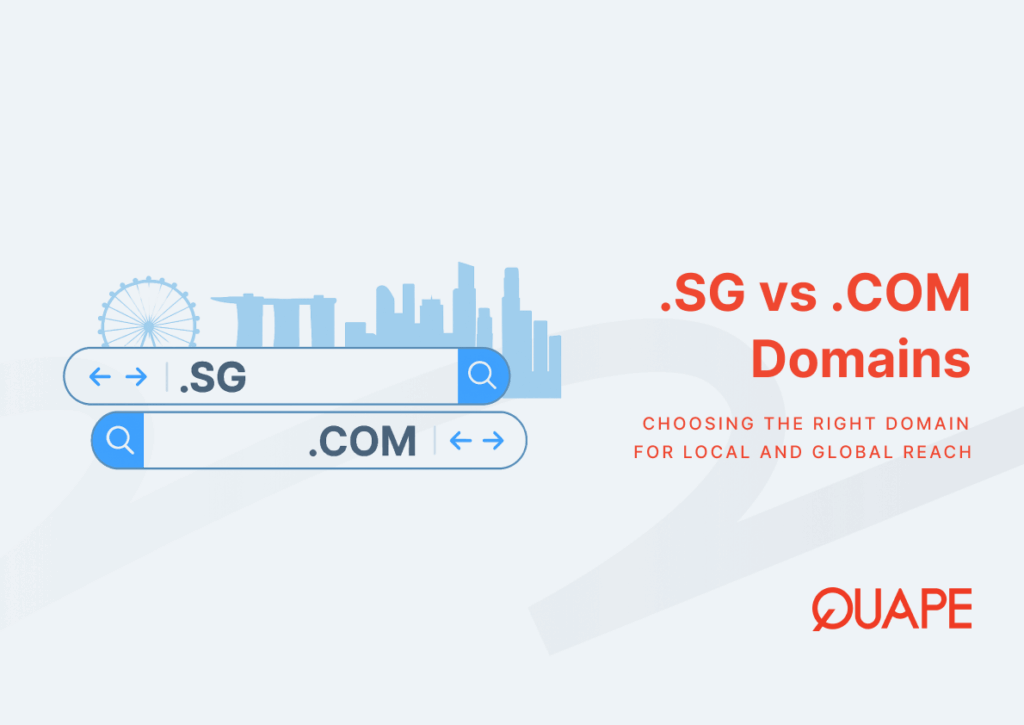
Choosing between a .sg and a .com domain affects how your business is perceived locally, how search engines interpret your geographic focus, and how you navigate regulatory requirements in Singapore’s digital landscape. The .sg domain, a country-code top-level domain (ccTLD) administered by the Singapore Network Information Centre (SGNIC), signals local presence and aligns with regional […]
Domain Registration Rules & .SG Requirements
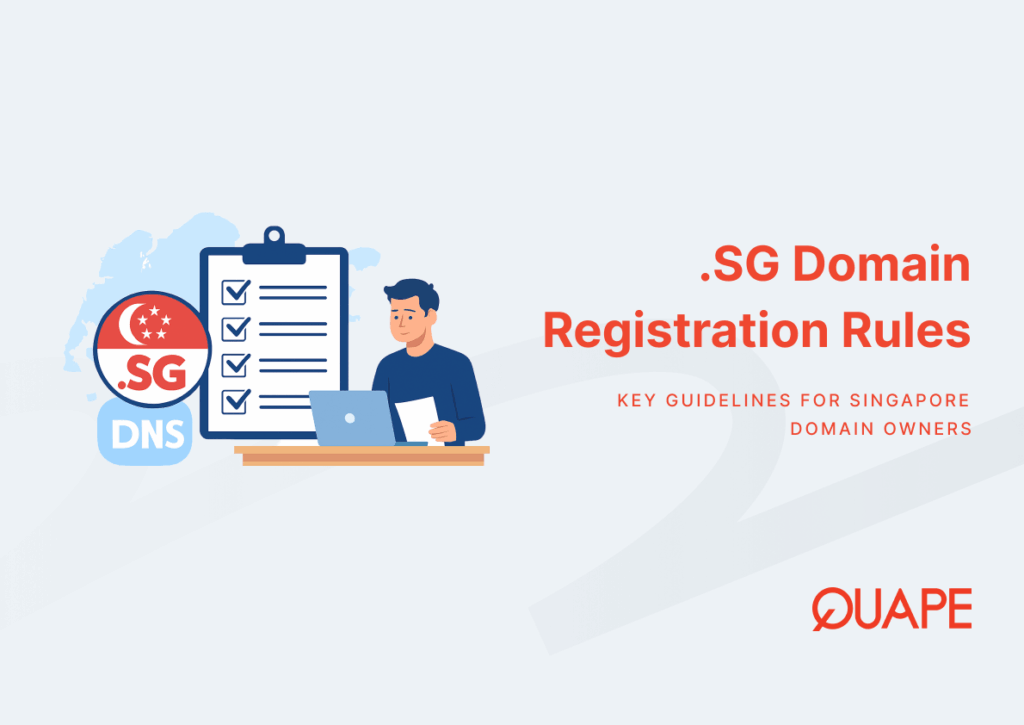
Singapore’s .sg domain registration framework operates under strict governance administered by the Singapore Network Information Centre (SGNIC), which enforces eligibility criteria, verification protocols, and compliance standards that directly affect how businesses and individuals secure their digital identity. These rules ensure that .sg domains maintain legitimacy and align with Singapore’s national jurisdiction, creating a structured environment […]
Integration Between Domain Management & Cloud Hosting

As enterprise infrastructure shifts toward hybrid and multi-cloud architectures, the relationship between domain management and cloud hosting becomes a critical operational layer. Organizations that treat domain registration as a separate administrative task often face delayed deployments, configuration drift, and fragmented access control. Integrating domain management with cloud hosting platforms enables automated provisioning, consistent DNS resolution […]
The Future of Domain Management: AI, Blockchain & Decentralized DNS

Domain management is shifting from centralized registrar models toward hybrid systems that integrate artificial intelligence, blockchain-based naming protocols, and decentralized governance structures. Organizations that manage digital identity across both traditional DNS and emerging Web3 namespaces face strategic decisions about infrastructure resilience, compliance obligations, and vendor dependencies. This evolution affects how enterprises protect brand integrity, mitigate […]