Domain
How to Buy Expired Domains That Still Have Value
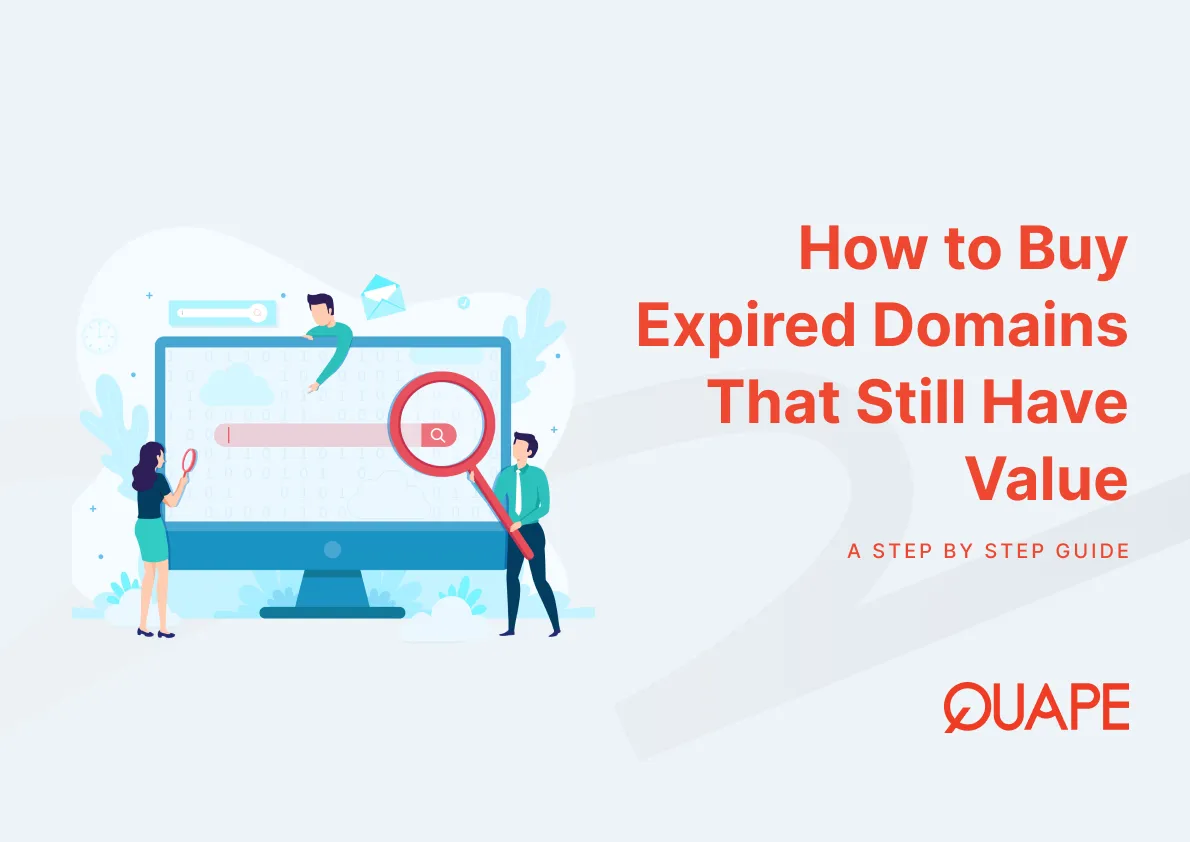
Expired domains are like abandoned properties in the digital world often overlooked, but sometimes hiding serious untapped value. Whether you’re an entrepreneur, digital marketer, or domain investor, learning how to buy expired domains that still have value can give your project a major head start.
These domains can boost SEO, fast-track branding, or even generate traffic from day one. But to separate the gold from the junk, you’ll need to know exactly what to look for and where to find it.
In this guide, we’ll break down the entire process of buying expired domains, from identifying valuable ones to registering them with confidence.
What Are Expired Domains?
An expired domain is a previously registered web address that has not been renewed by its owner. After a domain expires, it goes through a series of stagesgrace period, redemption period, and finally deletion. Once fully expired, it becomes publicly available for others to register or bid on.
Expired domains can be powerful assets, especially if they come with a strong backlink profile, aged history, existing traffic, or keyword-rich names. These characteristics make them useful for:
- Enhancing search engine rankings
- Building instantly credible brands
- Redirecting traffic to active websites
- Launching new niche sites or content networks
But remember, not all expired domains are created equal. Some are toxic, spammy, or legally risky so due diligence is a must.
Why People Buy Expired Domains
There are several strategic reasons why marketers and investors hunt for expired domains:
- SEO Benefits: Domains with existing backlinks and domain authority can help new websites rank faster on Google.
- Branding: A short, memorable domain especially one with exact-match keywords can give your brand instant recognition.
- Traffic Redirection: Expired domains that still get type-in or referral traffic can be redirected to a money site, landing page, or ecommerce store.
- Resale/Flipping: Some domain investors buy undervalued expired domains and resell them at a profit.
- Authority Site Building: Buying a domain in your niche with strong historical content and backlinks makes it easier to build a credible, authoritative site.
Step-by-Step: How to Buy Expired Domains That Still Have Value
1. Understand the Domain Lifecycle
Knowing the domain expiration process helps you time your purchase. Here’s how it works:
- Expiration: After the initial registration ends, the registrar allows a grace period (typically 30–45 days) for renewal.
- Redemption Period: After the grace period, the domain enters a redemption phase (around 30 days), during which the original owner can reclaim it but with an added fee.
- Pending Deletion: If still not renewed, the domain is deleted and becomes available to the public within 5 days.
You can buy domains before they fully expire via auctions or after deletion via drop catch services or registrars.
2. Find Expired Domains
Start your search on platforms that specialize in expired or expiring domains. Top choices include:
- ExpiredDomains.net – Free access to massive lists with filters for backlinks, traffic, age, etc.
- GoDaddy Auctions – Popular auction site with a mix of expired and premium domains.
- NameJet – Auction service known for high-quality domains.
- DropCatch – Specialized in grabbing domains the moment they drop.
- Dynadot Marketplace – Offers both expired domains and user-listed domains for sale.
Most of these tools allow you to search using filters like TLD (.com, .net), domain length, backlinks, referring domains, age, and keyword presence.
3. Check Domain History
Before buying, always check the domain’s background to ensure it hasn’t been used for spam, adult content, or shady practices.
Use these tools:
- Wayback Machine (archive.org) – View historical snapshots of the site’s content.
- Whois Lookup – See ownership history, registrar, and expiration timeline.
- Google Search – Type site:domain.com to check if it’s still indexed or previously deindexed by Google.
Avoid domains with erratic changes in niche, spammy content, or suspicious ownership records.
Also Read: What Is Expired Domain? Pros, Cons, and What You Should Know
4. Analyze SEO Metrics
This is the most important step if your goal is SEO. Use tools like Ahrefs, Moz, or SEMrush to assess:
- Domain Authority (DA) or Domain Rating (DR) – Higher scores indicate stronger link equity.
- Backlink Profile – Look for natural, quality backlinks from real sites. Avoid domains with PBN or spam links.
- Anchor Text Distribution – Spammy or over-optimized anchor texts are red flags.
- Referring Domains – A healthy mix of unique, authoritative sites is ideal.
- Organic Traffic – Use SEMrush or Ahrefs to check if the domain still ranks for any keywords.
Tip: Always prioritize quality over quantity when evaluating backlinks.
5. Check for Google Penalties
An expired domain may carry SEO baggage that could harm your site.
- Index Check: Search site:domain.com on Google. If there are no results, it might be deindexed.
- Manual Action Check: Once registered, connect it to Google Search Console to look for penalties under “Security & Manual Actions.”
If the domain has been deindexed or penalized, it’s often better to skip it.
6. Check Trademarks and Legal Issues
Avoid buying domains that could trigger trademark lawsuits. Before finalizing a purchase, search:
- USPTO.gov for US trademarks
- WIPO.int for global trademarks
Also, avoid domains that closely resemble existing brands, even if not trademarked, to reduce legal risk.
7. Register or Bid
Depending on the domain’s availability:
- Auction Platforms: Bid on domains via GoDaddy, NameJet, or SnapNames.
- Backorder Services: Services like DropCatch, NameJet, or Dynadot will attempt to register the domain the moment it’s released.
- Direct Buy: Some domains are available for instant purchase through a fixed-price marketplace.
After winning, transfer the domain to your preferred registrar and update DNS settings as needed.
Tips for Picking a High-Value Expired Domain
- Choose domains with a clean backlink profile (avoid spammy link sources).
- Opt for short, brandable names or exact-match keywords relevant to your niche.
- Stay within relevant top-level domains (TLDs) like .com, .net, or your country code.
- Focus on niche relevance if you’re using the domain for content or SEO.
- Use a registrar or service that lets you monitor and manage renewals easily.
Final Thoughts
Learning how to buy expired domains that still have value is about more than just grabbing a cheap web address. It’s about finding hidden digital assets that can boost your brand, SEO, and authority often at a fraction of the cost of building from scratch.
Just be sure to do your research. Evaluate each domain’s history, SEO metrics, and legal standing before committing.
If you’re ready to secure a high-quality expired domain, consider using Quape’s domain registrar services. Our platform makes it easy to register, backorder, and manage domains whether you’re building a business or flipping for profit.